Skip to content

2026

Zenzic v0.30.0: Documentation Quality Platform & Frictionless Adoption
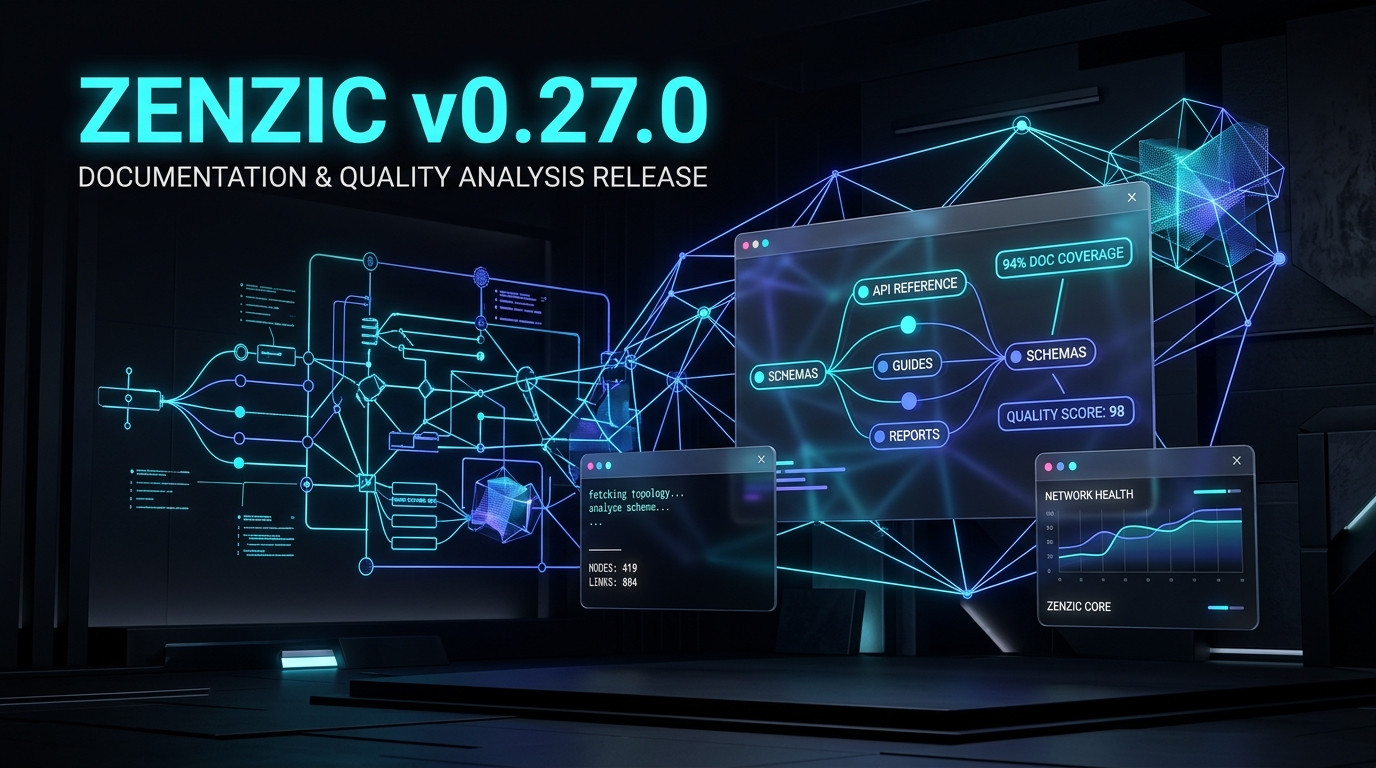
Zenzic v0.30.0 Documentation Quality Platform

Zenzic v0.30.0 is a dual milestone. On the engine side, it elevates Zenzic into a full Documentation Quality Platform (DQP): native AST-based semantic analysis, structural accessibility rules, editorial style governance, and atomic auto-remediation — the complete picture of what deterministic documentation quality looks like across entire Markdown/MDX knowledge graphs. On the adoption side, it delivers Frictionless Adoption: the VS Code extension can now provision its own engine automatically, removing the last remaining manual setup step for every developer who opens a Markdown file.

Together, these two pillars define what v0.30.0 is about: making the highest standard of engineering-grade documentation quality accessible to every developer on your team, regardless of their Python expertise or system configuration.
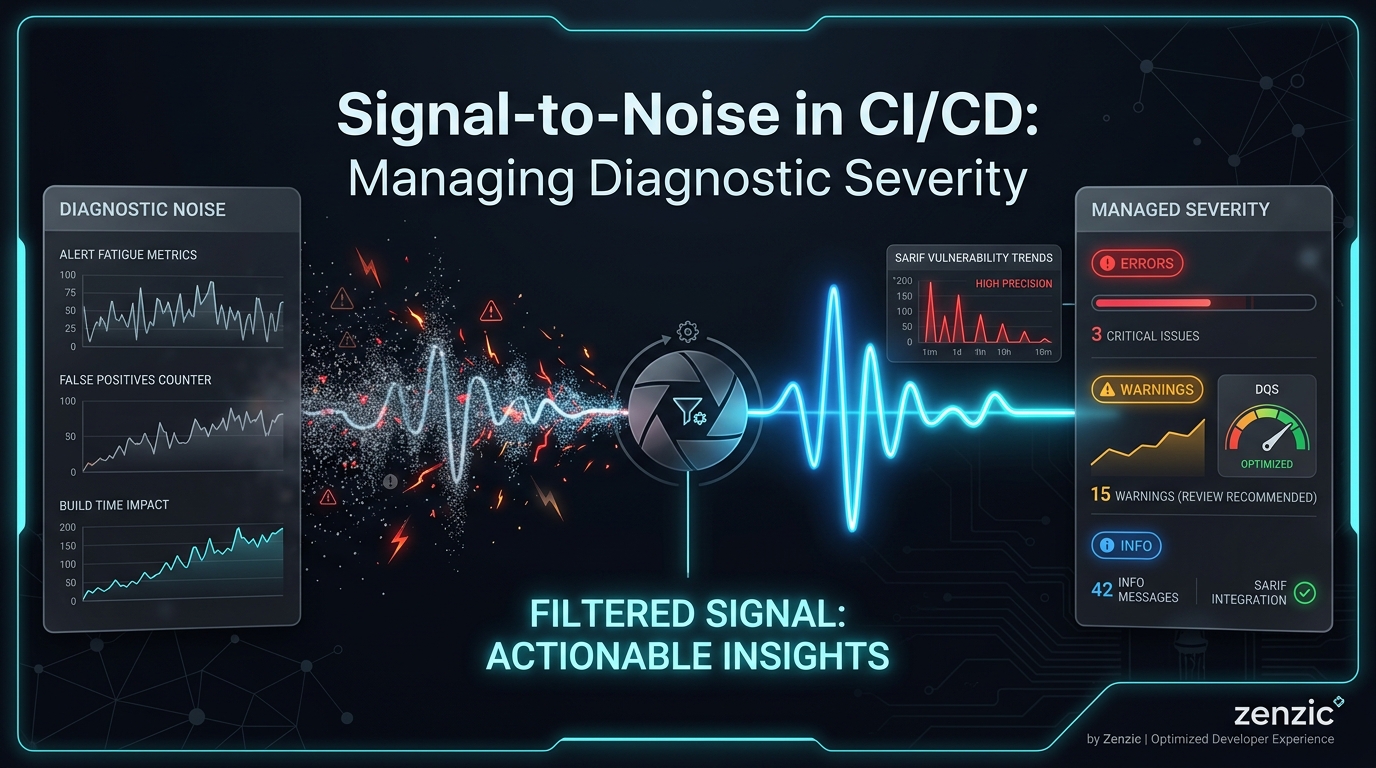
Signal-to-Noise in CI/CD: Managing Diagnostic Severity

Signal to Noise Ratio

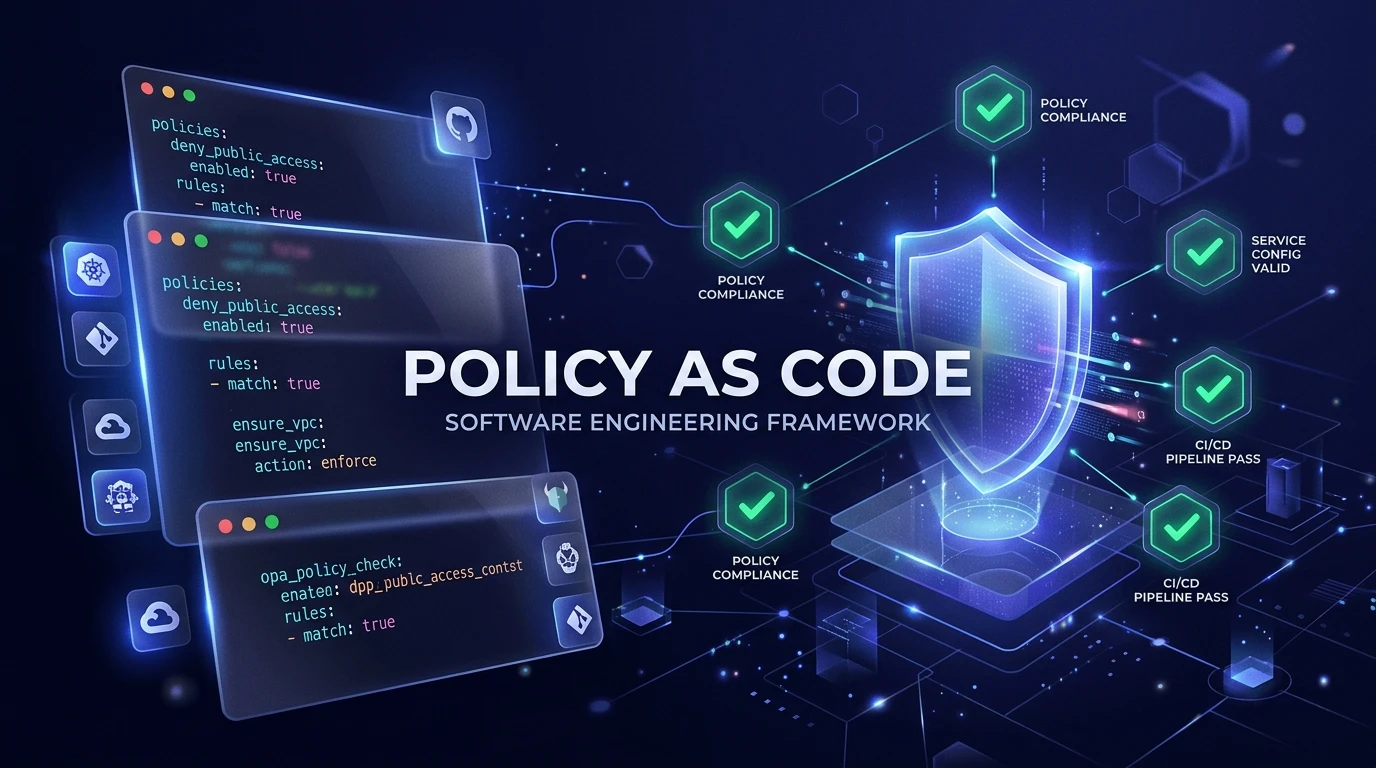
A static analyzer is only as useful as its signal-to-noise ratio.

If a tool floods a CI/CD pipeline with hundreds of low-value notices, developers eventually stop paying attention. The result is predictable: triage becomes slower, dashboards become cluttered, and governance loses credibility.

This problem is not unique to documentation analysis. It exists across compilers, linters, security scanners, and code quality platforms. The challenge is always the same: surface actionable findings without overwhelming engineers with noise.

In Zenzic, documentation is treated as production code. The diagnostic engine therefore follows a strict severity taxonomy designed to separate enforcement from observability and ensure that every finding has a clear operational meaning.

Markdown Is Production Code: Why We Built Zenzic

Markdown Is Production Code: Why We Built Zenzic

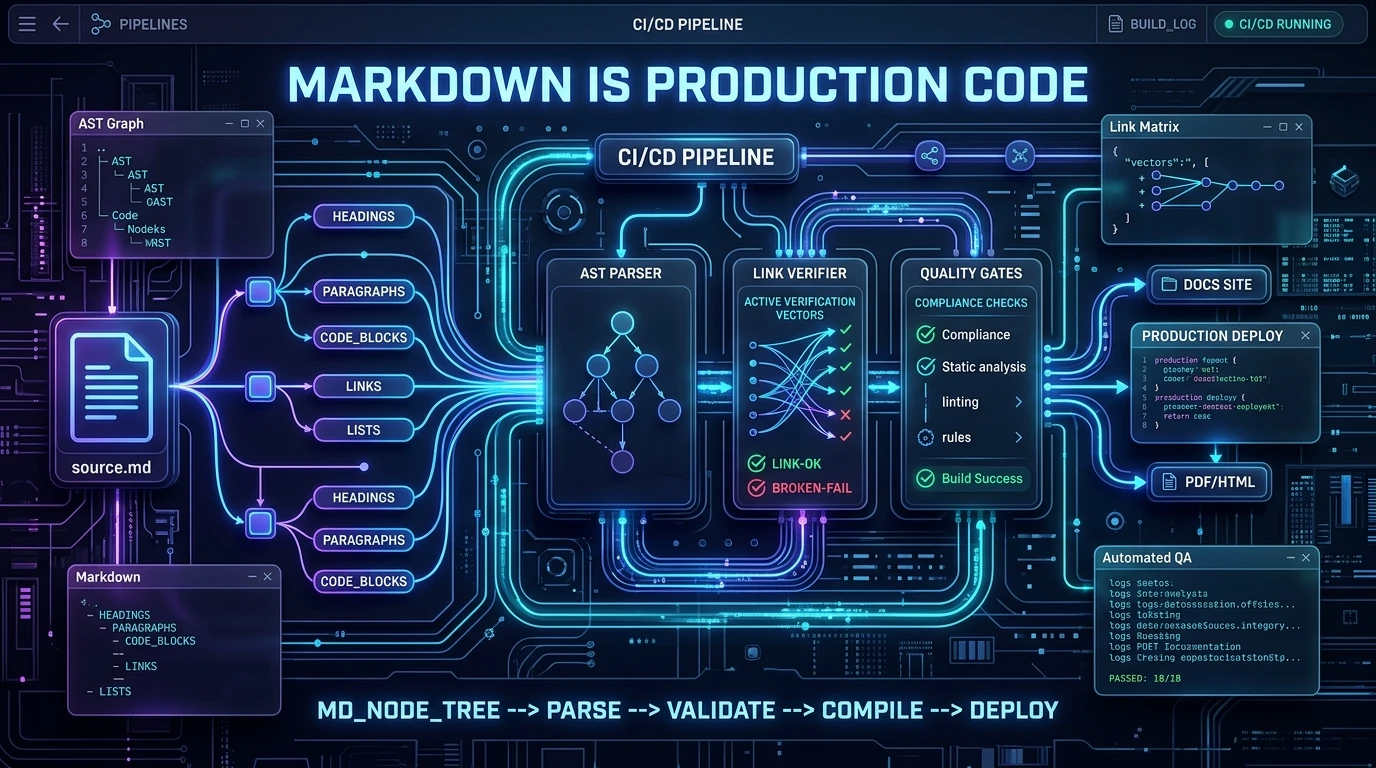
Markdown is Production Code

We built Zenzic because we kept seeing the same problem: a documentation repository could be technically “green” while the documentation itself was already broken.

A build can succeed while an internal link points to a file that no longer exists. A page can remain in the repository while no navigation path reaches it. An anchor can become invalid after a heading is renamed. An image can disappear while the Markdown still references it. A code example can contain a live credential that gets copied into a public repository.

The build can still pass.

The deployment can still complete.

The defect is discovered only when a user follows the broken path—or when an exposed credential is abused.

We decided that this was the wrong model.

We built Zenzic to treat documentation integrity as a property that can be tested before a change reaches the main branch.

Zenzic v0.24.0 → v0.26.0: The Editor Trilogy

Most editor integrations fail for a simple reason: they confuse immediacy with truth.

Fast feedback is not authoritative feedback. A red underline that appears in 20 milliseconds is worthless if the CI pipeline later disagrees with it. A score in the status bar is noise if it was inferred from partial state and sold as workspace truth.

Zenzic v0.24.0 through v0.26.0 was not a feature sprint. It was an architectural correction.

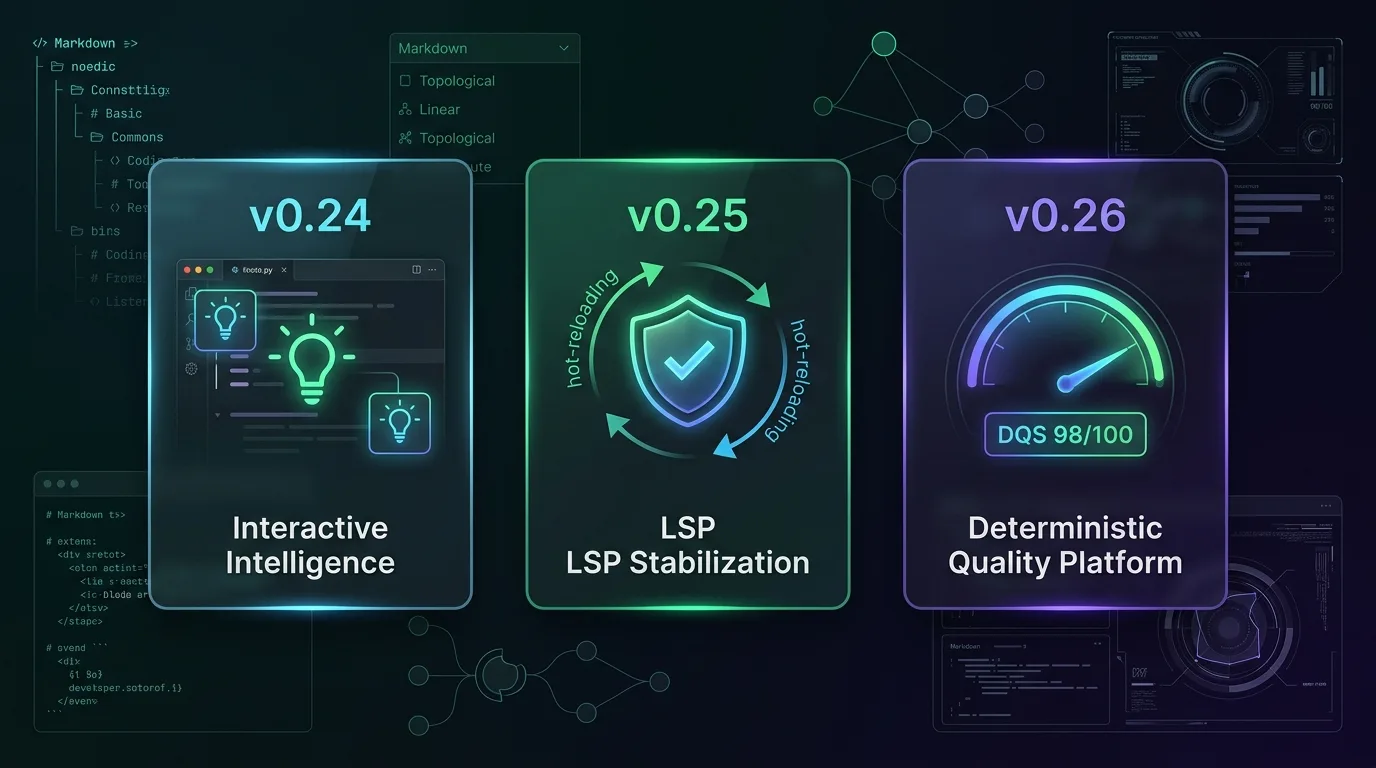
  • v0.24.0 introduced interaction.
  • v0.25.0 removed diagnostic drift.
  • v0.26.0 restored global scoring without corrupting determinism.

This is the editor trilogy: three releases that turned the VS Code extension from a reactive client into a governed execution surface.

Zenzic v0.24.0 → v0.26.0: The Editor Trilogy

Zenzic v0.24.0: Interactive Intelligence

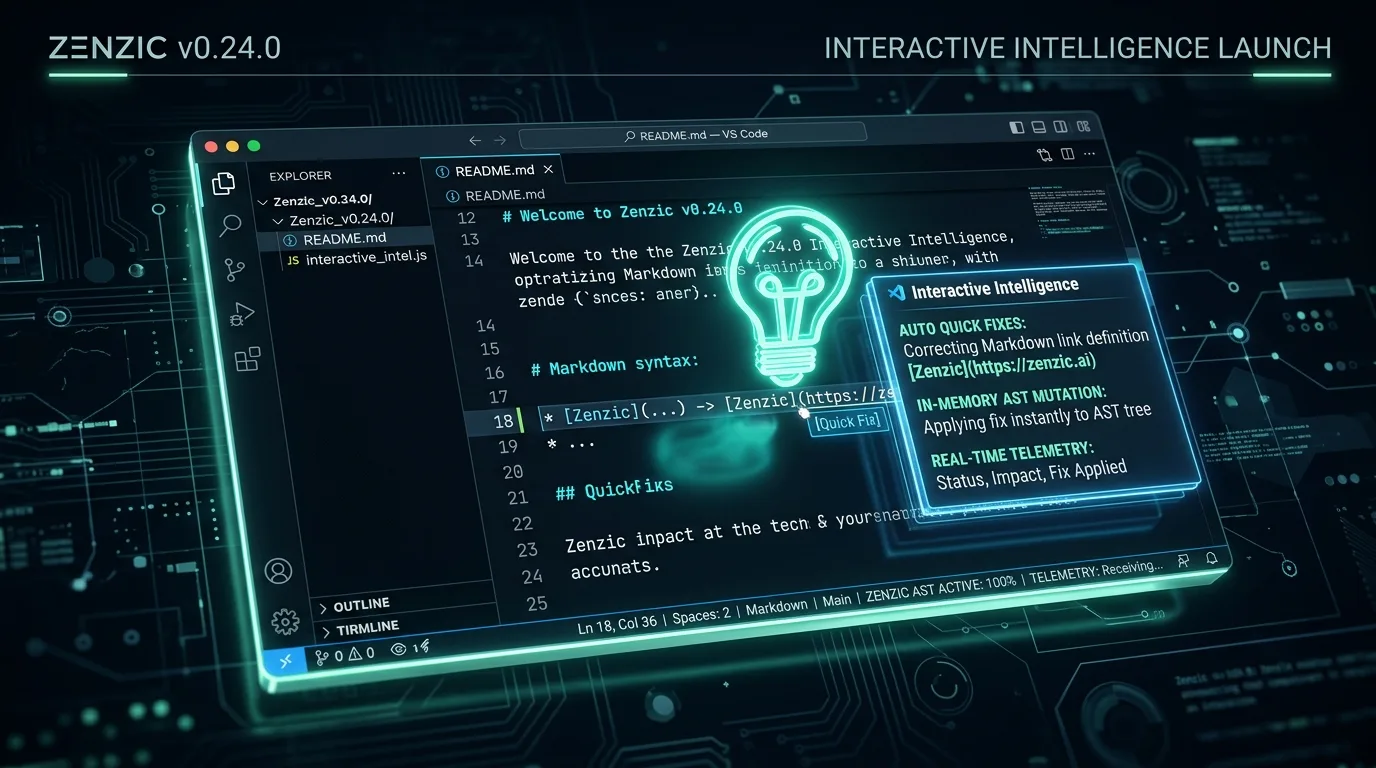
Zenzic v0.24.0 marks the transition from passive static validation to interactive, editor-native remediation. This release introduces LSP Code Actions for automated Quick Fixes, real-time Documentation Quality Score (DQS) streaming to the editor status bar, and critical URI normalization bugfixes.

Zenzic v0.24.0: Interactive Intelligence